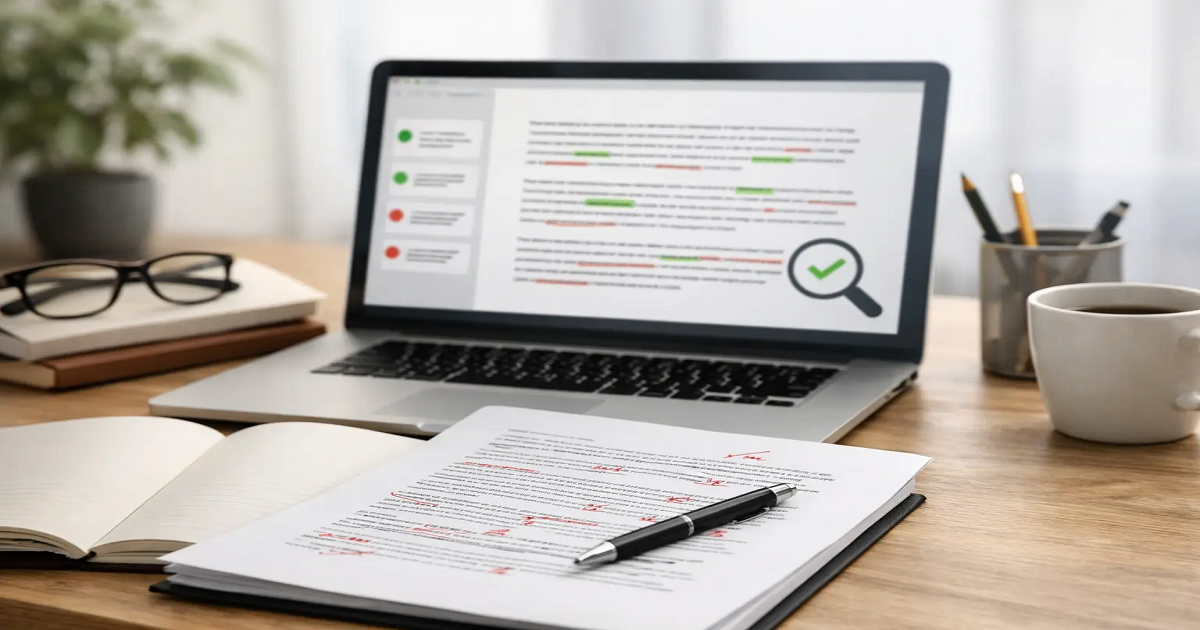
That last read-through before you submit an essay is where small mistakes suddenly look expensive. A missing comma, a repeated word, a sentence that drifts off course - none of them change your idea, but all of them can weaken how your writing is judged. That is exactly why a grammar checker for essays has become a practical essential for students, writers, and anyone who needs clean academic writing without wasting hours on manual edits.
A good essay is not only about having the right argument. It also needs clear structure, readable sentences, and language that feels controlled. When grammar slips, even strong ideas can come across as rushed. For students, that can affect grades. For freelance writers and bloggers creating educational content, it can affect credibility. For small teams producing reports, proposals, or long-form copy, it can simply slow everything down.
What a grammar checker for essays should actually do
Not every grammar tool is built for essay writing. Some are fine for quick social posts or short emails, but essays demand more. You are dealing with longer paragraphs, transitions between ideas, tone consistency, and sentence-level accuracy across a much larger piece of text.
A useful checker should catch grammar mistakes, punctuation issues, spelling errors, awkward phrasing, and common usage problems. It should also help you spot repeated words, clunky sentence construction, and places where your meaning is less clear than you think. The best tools do not just flag random words. They help you revise with purpose.
That matters because essay writing lives in the gray area between rules and style. A tool can catch a clear subject-verb disagreement, but it also needs to handle more nuanced issues such as wordiness, inconsistent tense, or a sentence that is technically correct but hard to read. Instant feedback is valuable, but relevant feedback is what saves time.
Why essays need a different level of checking
Short-form writing can survive a few rough edges. Essays usually cannot. Whether you are writing a high school assignment, a college paper, a scholarship essay, or an explainer article, readers expect a more polished result.
Longer pieces create more opportunities for error. You may start in one tense and drift into another. You may repeat the same transition over and over. You may overuse passive voice without noticing. After staring at the same page for an hour, your brain starts filling in missing words automatically. That is where an automated checker becomes useful - not as a replacement for your judgment, but as a second pass that does not get tired.
There is also a practical productivity angle. Manual proofreading takes time, especially if you are juggling deadlines. A browser-based tool gives you immediate feedback, which is ideal for students finishing assignments late, marketers editing long-form content, or freelance writers cleaning up client work before submission.
The real benefits of using a grammar checker for essays
The biggest win is speed. Instead of hunting through every sentence line by line, you can identify obvious issues in seconds and move straight into revision. That does not mean you should accept every suggestion blindly, but it does mean you can spend more of your time improving the argument instead of fixing stray punctuation.
The second benefit is clarity. Many writers do not struggle with ideas. They struggle with expressing those ideas in a direct, readable way. A checker can highlight run-on sentences, unnecessary repetition, and wording that makes your point harder to follow.
The third is confidence. When you know the technical errors have been reviewed, it is easier to focus on whether your structure, evidence, and tone are doing the job. That confidence matters in academic settings, but it also matters for bloggers, ecommerce sellers, and small business owners writing educational or persuasive content.
What to look for in the best tool
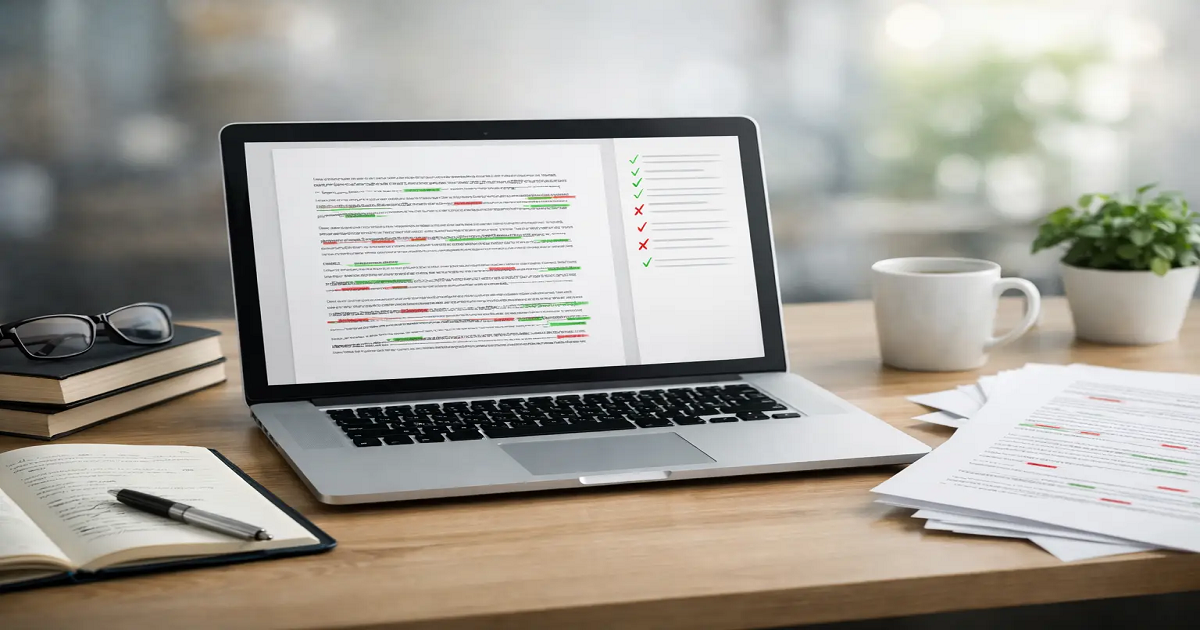
A fast interface matters more than people think. If a tool is slow, cluttered, or buried behind registration walls, most users abandon it. For essay editing, convenience is part of the value. You want to paste your text, review suggestions, make changes, and move on.
Accuracy is the bigger issue. Some tools overcorrect and turn normal writing into stiff, unnatural copy. Others miss basic mistakes. The best option sits in the middle. It catches genuine errors, flags possible improvements, and still leaves room for your own voice.
It also helps if the tool is easy to access in a browser, especially for users who do not want to install software or pay for premium platforms just to review one assignment. That is one reason free, user-friendly tools remain attractive. They remove cost barriers and let you handle a writing task immediately.
If you are editing academic work, it is also smart to think beyond grammar alone. A polished essay may need more than one check. Grammar is one layer. Originality, readability, and sentence variation are others. On a practical platform like Small SEO Tools UK, that wider toolkit approach is useful because writing tasks rarely stop at one issue.
Common mistakes essay checkers can help catch
A lot of essay mistakes are basic but easy to miss. Sentence fragments, comma splices, spelling slips, article misuse, and missing prepositions still show up in strong drafts. These are the errors that automated tools usually catch well.
Then there are style problems that sit one level deeper. Maybe your paragraph opens well but becomes repetitive halfway through. Maybe you rely on vague wording like things, stuff, or a lot. Maybe your conclusion sounds abrupt because your final sentence does not land clearly. A good checker can bring those weak spots to the surface.
That said, there is a trade-off. Grammar tools are better at mechanics than meaning. They can tell you a sentence is awkward, but they may not understand your intended emphasis. They can flag complexity, but they cannot always judge whether that complexity is necessary for the topic. Essays in literature, law, or philosophy often use language that is more layered than a general-purpose tool expects. So use the checker as support, not authority.
How to use a grammar checker without weakening your writing
The best approach is simple. Finish your draft first. Do not keep interrupting your writing to fix every line as you go, because that usually slows momentum and fragments your thinking. Once the draft is complete, run it through the tool and review the suggestions in context.
Accept obvious corrections quickly. For example, if the tool catches a misspelling or punctuation mistake, fix it. Slow down when the suggestion changes meaning, tone, or sentence rhythm. If a sentence sounds more robotic after the change, keep your original or rewrite it yourself.
It also helps to read the edited version out loud. This catches problems no automated system handles well, such as unnatural phrasing, weak transitions, or sentences that sound technically correct but hard to follow. The strongest workflow is usually draft, check, revise, and then do one final human read.
Free tools vs paid tools for essay checking
For many users, free tools are enough. If your main goal is to catch surface-level issues and improve readability before submission, a good browser-based checker can do the job well. That is especially useful for students, small businesses, and freelancers trying to stay productive without adding software costs.
Paid tools can offer extras such as deeper style analysis, tone suggestions, or advanced writing insights. Those features may help if you write essays or long-form content every day. But not everyone needs that level of detail. If your budget is tight, a free tool with instant access and solid core checks is often the smarter choice.
The key question is not whether a tool is free or paid. It is whether it saves time, catches meaningful issues, and helps you submit stronger writing faster.
When a grammar checker is not enough
Sometimes the problem is not grammar at all. If your essay lacks a clear thesis, logical flow, or relevant evidence, no checker will rescue it. The same goes for weak research, poor structure, or missing citations. Technical correctness helps, but it cannot replace original thinking.
That is why the best results come from combining tools with judgment. Use a checker to clean the language. Then step back and ask tougher questions. Does every paragraph support the main point? Are your transitions doing enough work? Does the ending feel earned?
Those final checks are where good essays become convincing essays.
A grammar checker for essays is most useful when you treat it as a fast, practical editor for the details that drag a paper down. It helps you write with fewer distractions, submit with more confidence, and spend your energy where it counts most - on the quality of your ideas.