Plagiarism is a significant problem in academic writing and research papers and affects online content creation. Writers, students, and teachers need reliable tools to maintain academic honesty and avoid plagiarism.
A plagiarism checker gives accurate results. It checks your text for duplicate content. Choosing the best tool means understanding how these tools work and knowing their features.
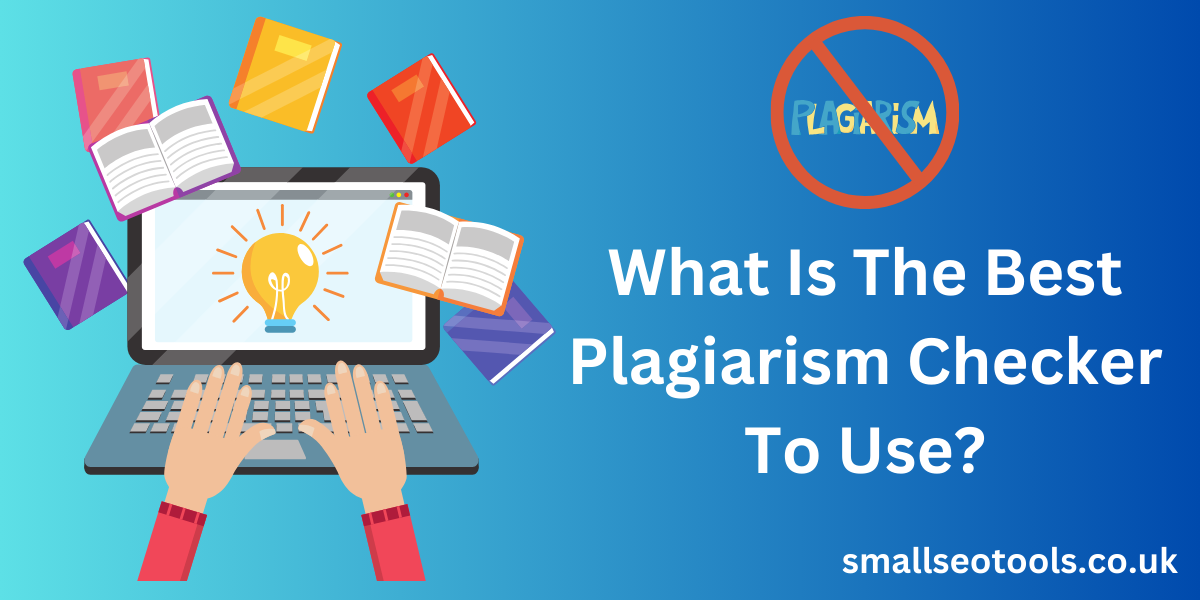
What Is the Best Plagiarism Checker?
The best plagiarism checker is a tool that scans your text and compares it with billions of online pages, books, and academic papers. It highlights copied sentences and shows the original sources so writers can fix duplicate content before publishing.
Popular plagiarism checkers include:
-
Grammarly
-
Copyscape
-
Quetext
-
Scribbr
-
SmallSEOTools
Writing online is easy today. But copying someone else's work is also easy. That is why many writers use a plagiarism checker.
A plagiarism checker scans your text. It looks for sentences that match content already on the internet. If it finds similar text, it shows the source.
This helps writers fix problems before publishing.
In this guide, you will learn:
-
What a plagiarism checker is
-
Why writers need it
-
The best plagiarism checker tools today
-
How to choose the right tool
What Is a Plagiarism Checker?
A plagiarism checker is a tool that checks if your text is original.
It compares your content with billions of web pages, articles, books, and academic papers.
If it finds copied text, it highlights the part and shows the original source.
Many tools also give a plagiarism score that shows how much of your content is unique.
Plagiarism tools are widely used by:
-
Bloggers
-
Students
-
SEO writers
-
Businesses
-
Researchers
These tools help maintain academic and professional integrity by preventing copied content.
Why Using a Plagiarism Checker Matters
Duplicate content can cause serious problems.
For students, it can lead to failed assignments or disciplinary action.
For bloggers and website owners, it can hurt search rankings.
Search engines prefer original content. If your article is copied from somewhere else, it may not rank.
A plagiarism checker helps you:
-
Publish unique content
-
Avoid copyright issues
-
Improve SEO
-
Build trust with readers
Best Plagiarism Checker Tools in 2026
Many plagiarism tools exist today. Each tool works best for a different type of user.
Here are some of the most trusted tools.
1. Grammarly Plagiarism Checker
Best for everyday writing.
This tool is part of a popular grammar checker. It scans text against web pages and academic databases.
Key features:
-
Built into writing editor
-
Checks grammar and plagiarism together
-
Easy to use for beginners
Many bloggers and marketers use it for quick plagiarism checks.
2. Scribbr Plagiarism Checker
Best for academic writing.
This tool is widely used by students and researchers.
It checks text against a very large academic database.
Key features:
-
High detection accuracy
-
Academic source database
-
Detailed plagiarism reports
Some comparisons show it detects more copied text than many free tools.
3. Copyscape
Best for SEO content and website owners.
Copyscape focuses on finding copied content across websites.
Key features:
-
Web page plagiarism detection
-
Batch content scanning
-
Website monitoring
It is widely used by SEO professionals to check blog articles.
4. Quetext
Best for simple and clear reports.
This tool uses deep search technology to detect plagiarism.
Key features:
-
Color-coded plagiarism results
-
Contextual analysis
-
Easy interface
Quetext is often recommended for students and content writers who want simple reports.
5. SmallSEOTools Plagiarism Checker
Best free plagiarism checker for bloggers.
This tool is popular among website owners because it is free and easy to use.
Key features:
-
Free plagiarism scans
-
File upload support
-
Multiple language support
-
Quick results
Many bloggers use it to check long articles before publishing.
Free vs Paid Plagiarism Checkers
Plagiarism tools come in two types.
Free Tools
Good for quick checks.
Pros:
-
No cost
-
Easy access
-
Simple scans
Cons:
-
Limited word count
-
Smaller databases
Paid Tools
Best for professional work.
Pros:
-
Deeper scans
-
More accurate results
-
Larger databases
Cons:
-
Monthly cost
Professional writers often combine both types for better results.
What Makes a Good Plagiarism Checker?
Not all plagiarism tools work the same.
The best tools have these features:
Large Database
Good tools compare your text with billions of sources.
Accurate Detection
Advanced tools detect copied text even when it is slightly changed.
Clear Reports
Easy-to-read reports help writers fix problems quickly.
File Support
Many writers upload DOC, PDF, or text files.
Tips to Avoid Plagiarism
Using a tool is helpful, but writers should also follow good writing habits.
Here are simple tips:
Write in Your Own Words
Always explain ideas using your own language.
Cite Your Sources
If you use information from another article, add a reference.
Paraphrase Carefully
Changing a few words is not enough. Rewrite the idea completely.
Check Before Publishing
Always run your article through a plagiarism checker.
Final Verdict
There is no single plagiarism checker that works for everyone.
Different tools serve different needs:
-
Grammarly – best for everyday writing
-
Scribbr – best for students and researchers
-
Copyscape – best for SEO and website content
-
Quetext – best for simple reports
-
SmallSEOTools – best free option for bloggers
The best approach is simple:
Write original content first.
Then run a plagiarism check before publishing.
This helps protect your work and keeps your content trustworthy.
Frequently Asked Questions
What is the most accurate plagiarism checker?
The most accurate plagiarism checkers include Grammarly, Scribbr, Copyscape, and SmallSEOTools. These tools scan billions of web pages and academic sources to detect duplicate content.
Is there a free plagiarism checker?
Yes. Several tools offer free plagiarism scans, including SmallSEOTools, Quetext (limited free version), and other online plagiarism detectors.
Can plagiarism affect SEO?
Yes. Search engines prefer original content. Duplicate content may lower rankings or prevent a page from appearing in search results.
How do plagiarism checkers work?
Plagiarism checkers scan your text and compare it with databases of web pages, articles, and academic papers. If similar text appears elsewhere, the tool highlights it.