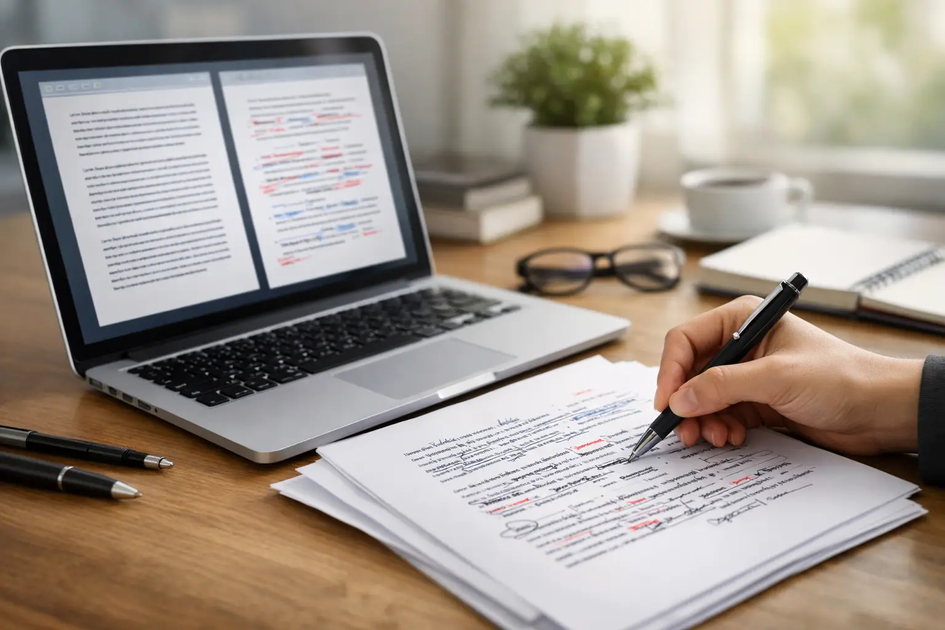
A blank page is not always the problem. More often, the problem is a decent draft that is too repetitive, too close to a source, or simply not sharp enough to publish. That is where an article rewriter becomes useful. It helps turn rough, duplicated, or tired wording into cleaner copy faster. Which matters when you are managing blog posts, product descriptions, outreach content, or school assignments on a tight schedule.
For many users, the appeal is simple. You already have the core idea. You do not want to start from scratch. You want a faster way to reshape the language, improve readability, and produce something. that feels fresh without losing the original meaning. Used well, a rewriter can save real time.
What an article rewriter actually does
An article rewriter takes existing text and changes the wording, sentence structure, and phrasing while aiming to preserve the message. Depending on the tool, it may replace words with alternatives, rearrange sentence patterns, shorten clunky passages, or make the tone more natural.
That sounds straightforward, but the quality gap between tools can be huge. Some produce text that reads like a clumsy word swap exercise. Others do a better job of preserving flow and clarity. If your goal is publishable content, readability matters more than how aggressively the wording changes.
This is why the best use case is not blind automation. It is assisted rewriting. You give the tool a solid draft, review the output, and make decisions. That approach is faster than writing from zero, but still controlled enough to protect accuracy and voice.
Who benefits most from an article rewriter
Small business owners often need a large volume of copy without the budget for a full content team. A rewriter can help refresh service pages, adapt product details, or tighten up promotional text. Bloggers use it to rework drafts, reduce repetition, and test different ways to frame the same point.
SEO professionals and ecommerce sellers also get clear value from it. They frequent need many versions of category copy, metadata support text, or campaign content. Students and freelance writers may use it to improve awkward phrasing or restructure a paragraph that is technically correct but hard to read.
The key is intent. If you are using a tool to improve expression and workflow, it can be genuinely useful. If you are trying to mass-produce thin pages with no editorial review, the weaknesses show up quickly.
Where an article rewriter saves the most time
The biggest gains usually come from routine content jobs. Product descriptions are a good example. If you sell similar items, writing each listing from scratch is slow and repetitive. A rewriter can help you vary the structure and wording so the copy feels less duplicated.
It is also useful for updating existing blog content. Sometimes the information is still good, but the writing feels flat or outdated. Rewriting sections can make the piece more readable without changing the core topic. That is often quicker than a full rewrite.
Another strong use case is repurposing. A long article can be reworked into shorter website copy, email content, or social captions. The raw material is already there. The tool helps reshape it for a new format.
What an article rewriter cannot do well on its own
This is where expectations need to stay realistic. A rewriter does not automatically understand nuance, brand positioning, legal risk, or subject expertise. It can alter language, but it cannot reliably judge whether a rewritten claim is still precise.
That matters in industries like finance, health, law, and technical services. Even small wording changes can affect meaning. If accuracy is critical, every line needs review.
It also struggles with voice consistency. If your brand sounds polished, direct, or industry-specific, the output may flatten that tone unless you edit it back in. Rewriters are useful for speed, not for replacing editorial judgment.
How to get better results from a rewriter
Start with better input. A messy paragraph usually leads to a messy rewrite. If the original text is bloated, vague, or full of repeated ideas, clean it up first. Even a quick edit before pasting it into a tool can improve the result.
Next, work in smaller sections. Feeding an entire article into a tool at once can create uneven output. One paragraph may sound fine, while the next becomes awkward. Rewriting section by section gives you more control and makes it easier to catch problems.
Then review for three things: meaning, readability, and originality. Meaning comes first. If the tool changed the point, fix that before worrying about style. Readability comes next. If a sentence sounds unnatural when read out loud, rewrite it. Originality matters too, especially if you are trying to avoid repetitive or overly familiar phrasing.
Many users get the best results by pairing a rewriter with other practical tools. For example, you might rewrite the text first, then run it through a grammar checker, a plagiarism checker, or a readability review. That kind of simple workflow is often more effective than expecting one tool to solve everything in one pass.
Quality signals to look for in an article rewriter
A useful tool should be fast, easy to access, and simple to understand without setup friction. That matters when you are trying to finish work quickly. But convenience alone is not enough. You also want output that reads naturally.
Look for a tool that keeps the core meaning intact and does not overload the text with awkward synonyms. Over-rewriting is a common problem. If every simple word gets replaced with a more unusual one, the result may look different but sound worse.
Good rewriters also help with sentence variety. They should not just swap words. They should improve rhythm, trim unnecessary phrasing, and make the paragraph easier to follow. For busy marketers and writers, that is where the real productivity gain happens.
If you want a practical option, Small SEO Tools UK fits the needs of users who prefer free, browser-based utilities with instant results and no unnecessary barriers. For lean teams and solo creators, that kind of access can make day-to-day content work much easier.
When rewriting helps SEO and when it does not
Rewriting can support SEO, but only in specific ways. It can help reduce duplicate phrasing, improve readability, and refresh older content so it is easier for users to engage with. Those are worthwhile gains.
What it does not do is magically create search value. If the page has no original insight, weak structure, or shallow information, changing the wording will not fix the underlying problem. Search performance depends on usefulness, clarity, intent match, and overall content quality.
That is why rewritten content works best when it improves something real. Maybe the original article is hard to scan. Maybe the service page is repetitive. Maybe the product copy is too close across multiple listings. Rewriting helps when it solves those problems. It is less effective when it is used as a shortcut around substance.
Common mistakes to avoid
One mistake is trusting the first output too quickly. Even strong tools can produce odd phrases, factual drift, or unnatural transitions. A quick human pass is not optional if the content is going live.
Another mistake is using a rewriter to mimic originality without adding value. Readers can tell when content has been mechanically altered but not genuinely improved. The wording may be different, yet the piece still feels empty.
There is also the issue of tone. If you serve customers, clients, or readers in a specific niche, generic language can weaken credibility. The rewrite may be technically cleaner, but less persuasive. A few targeted edits usually fix that.
The smartest way to use one
Think of an article rewriter as a speed tool, not a publishing button. It is most useful when you already know what you want to say and need help saying it faster, better, or in a different structure. That makes it practical for content refreshes, light repurposing, and everyday writing cleanup.
For budget-conscious teams, that can be a major advantage. You move faster, keep workflows simple, and reduce the time spent on repetitive editing tasks. But the final quality still depends on your review, your standards, and your purpose.
A good rewrite does not just sound different. It sounds clearer, more natural, and more useful to the person reading it. That is the version worth publishing.